Beware of false praises.

I want to discuss something that is gradually becoming part of our culture and, somehow, we are normalising it.

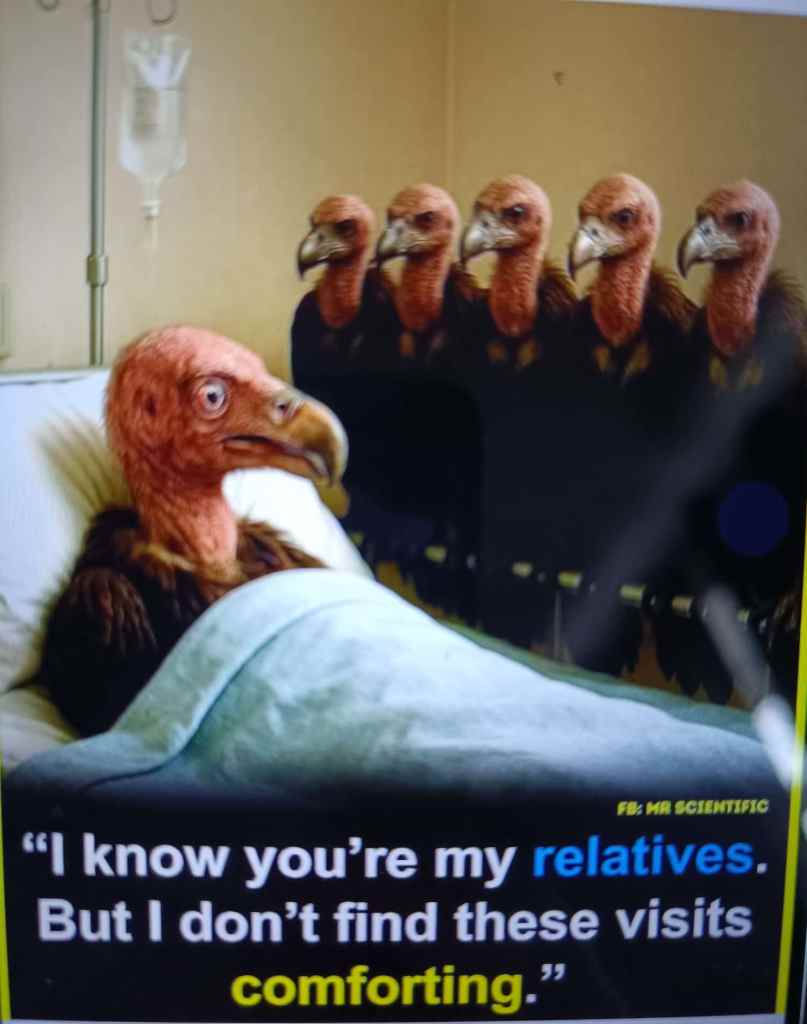
Have you noticed that when a woman is single, she often receives far less attention from men than when she is married? Once a woman gets married, even when it is obvious that she is pregnant, some men still seek intimate relations with her. This behaviour can be described as covetousness—the envious desire to possess what belongs to another person.

While the tendency to desire what others have can exist in all human beings, it appears particularly common in matters involving relationships. This is one reason God warned against coveting another person’s spouse. A man’s ability to resist the urge to pursue another man’s wife is what distinguishes self-discipline from indulgence.

The essence of this message is to point out that the man who approaches you when you are already in a relationship or married is not necessarily doing so because he cares for you more than your husband does. In many cases, he is motivated by the desire to possess what belongs to someone else. Understanding this can be empowering. Once you recognise that some of the praise, attention, and admiration you receive from other men while married may not be genuine, but rather an expression of covetousness, you will be in a better position to make wise decisions about your family and your relationship.

Remember that even your husband may encounter similar temptations, yet he chooses to remain committed because he values what you both share. Faithfulness is often a matter of principle, discipline, and respect for one’s commitments.

It is also important to acknowledge that some people are drawn to relationships primarily for status, influence, or financial security. Such individuals may be tempted to abandon a partner when someone perceived to be more successful comes along. While this tendency can be observed in some women and men, it should not be used to judge everyone, as every individual is different.

When a covetous person pursues someone who is already married, the outcome often depends on the character, values, and convictions of the person being pursued. Wealth, status, or social standing may influence some decisions, but integrity remains the strongest defence against temptation.

In summary, much of the praise and attention that comes from outsiders once you are married or in a committed relationship should be viewed with wisdom and caution. Appreciate kind words, but do not allow them to cloud your judgment. If a spouse repeatedly chooses infidelity over commitment, despite understanding the consequences, difficult decisions may need to be made. Likewise, if someone consistently pursues other people’s spouses, it reflects a lack of self-control and respect for boundaries.

Ultimately, the people best suited for lasting relationships are those who have mastered themselves—those who recognise their capacity to covet or to be unfaithful, yet choose faithfulness out of principle, love, and commitment to family unity.

The growing trend of excusing bad behaviour and immorality is contributing to the erosion of many families. Our failure to understand and manage our human nature often keeps us below the moral standards we claim to uphold.

Every person is called to obey the Ninth and Tenth Commandments: leave other people’s spouses alone, exercise self-control, and recognise deception for what it is. In the end, people are responsible for their choices. Therefore, be wise.

I remain your friend and brother,

Maazi Onuora Obodoechi.
Balancing the Old Culture and the New Culture

It is important to highlight that the values and roles traditionally performed by men in the old culture, such as protection, provision, and decision-making are still very relevant. What has changed, however, is that men are no longer the sole providers, protectors, or decision-makers in many homes today.

Many men are struggling to accept this reality, especially when some women still attach leadership solely to roles or financial status and use it to belittle them. For instance, when some women begin to earn more than their husbands, they may feel they have automatically become the leaders of the home, and therefore expect their husbands to assume roles traditionally associated with wives.

This idea is often presented as freedom and independence for women, but very few people ask: freedom and independence from whom, and from what?

There is absolutely nothing wrong with a man deciding to cook or do household chores for his family. The issue lies in the mindset or perception behind it especially when such actions are forced by disrespect, manipulation, or unhealthy expectations.

It is often in these situations that a man’s innate nature and ego are challenged. Some men, understanding the danger of allowing conflict to destroy their homes, seek counsel and guidance early. Others, however, allow emotions to get the better of them and end up losing themselves and their families in the process. Sadly, it is usually the children who pay the ultimate price through emotional and psychological trauma.

Therefore, the new culture demands maturity and self-control from both men and women in relationships. Being a husband should not be measured solely by how much a man contributes financially. A man’s leadership and manhood should not be defined only by his ability to provide, but also by his ability to be a loving father and supportive husband to his wife and children.

Some may ask: how can a man effectively be a father or husband if he cannot adequately provide for his family?

The truth is that many children who grew up without the presence of either their father or mother often carry a deep emotional vacuum, even when the remaining parent provided them with a comfortable life. In many cases, you hear statements like:

“I didn’t grow up with my father. I didn’t have a male figure in my life to teach me what to look out for in a man as a young girl.”

The same applies to boys who grow up without proper parental guidance.

This proves that the presence of a loving father in the home provides emotional and psychological security for children. I place emphasis on fathers because many of them are gradually being replaced or pushed aside, and when a man loses his sense of purpose and direction, families and eventually society begin to suffer.

The overall point of this post is to encourage our lovely ladies to appreciate and respect their men, regardless of income differences or educational exposure. Many men sacrificed and worked hard to help their wives become academically and professionally successful, only to later feel looked down upon by the very women they supported.

At the same time, this is also a wake-up call to men who have stopped developing themselves simply because they have hardworking wives. Remember, she is still a woman, and there is only so much stress she can endure. She still wants to be loved, cherished, appreciated, and emotionally supported by her man. Do not make the mistake of assuming that because she works hard, she no longer desires affection and care.

Finally, men and women no longer live together merely for survival as was common in olden times. Today, the foundation of many relationships is happiness, intimacy, companionship, and passion. These qualities go far beyond physical intimacy; they are rooted in kindness, consideration, emotional presence, active listening, and purposeful living.

Men, stop defining your manhood solely by what you do or provide. Rules alone do not make you a man, and you do not need a wife to validate your masculinity.

You are a man regardless of your status, as long as you live purposefully.

I remain your friend and brother,
Maazi Onuora Obodoechi.
You Are a Man Regardless of Your Financial Status

There is an obvious struggle today when it comes to the position of men in families and relationships. There has been a rise in domestic violence as some men attempt to exert authority in unhealthy ways within their homes and relationships. Today, we are going to examine what has led to increasing frustration among men in relationships and why many women keep asking their husbands to “be a man.”

The Traditional Man

First, let us look at the traditional man in older societies.

During the era of our grandparents and parents, the yardstick used to measure a man was his ability to provide, protect, and make decisions for the family. Women depended mainly on their husbands to make most family decisions. Their major roles were to care for the home, look after the children, and tend to their husbands’ needs.

During this time, men handled almost everything. A woman who lost her husband often had to seek protection from other men, or else she and her children would suffer greatly. The traditional man was seen as a strong and dominant figure whom everyone respected and behaved well around whenever he returned home.

Before anything reached the family, the father had already handled it.

Men at that time saw provision, protection, and responsibility as the primary roles of a man, while women were expected mainly to obey and support the man’s decisions. Even in rare situations or cultures where women ruled as queens, men were still considered the pillars that protected the kingdom.

The Shift

The change began when men went to war and industries previously managed by men were successfully run by women. In some cultures where women were once forbidden from attending school, some fathers began educating their daughters.

Stories were told that only lazy men who could not farm or hunt were sent to school—meaning such men were once placed in the same category as women. However, society evolved.

The creation of police forces, laws, and basic human rights made it possible for everyone to access quality education regardless of gender. Acquiring education created opportunities for decent jobs, awareness of personal rights, and the confidence to fight for those rights.

Society and the Confusion

Society unintentionally created systems and laws that reduced many of the traditional roles men once held.

In the past, men were seen as protectors, but now the police, military, and security agencies perform those duties more effectively. Men were once expected to be the sole providers, but today many women have jobs and careers before they even get married. Women are now educated, financially independent, and capable of making decisions for themselves.

The confusion began because many men were not prepared for this transition, and the changes came without clear guidance on how men should adapt and grow within the new system.

The men who struggle the most are those who tie their worth and manhood solely to their roles, wealth, or social status. They are still operating with an old mentality in a new world.

Today, many men struggle to command the respect of women in the same way previous generations did. Likewise, when a woman becomes successful, she may also struggle in relationships because many men judge themselves based on their financial status and conclude that they are not in her league.

The Solution: What You Need to Know as a Man

It is important to understand that the roles of protection, provision, procreation, and logical reasoning alone do not make you a man. They may make you male, but they do not define true manhood.

Also, instructing a woman to obey you does not automatically give you authority over her. The world has changed, and many traditional roles can now be performed by anyone.

What truly differentiates a man from merely being male is purpose.

Find your purpose. Prioritize your vision and life mission. A woman who believes in your vision will naturally remain loyal and emotionally connected to you.

What a real man brings into a family is not just money, but substance: protection, emotional security, leadership, discipline, and principles.

It does not matter if your wife becomes the president or earns more money than you. What matters most is that you are pursuing a meaningful purpose that attracted her to you in the first place.

In Summary

Do not lower your standards simply because your financial status does not yet match your expectations for a wife. Instead, improve yourself by developing your vision, purpose, and character.

The woman who sees your value, principles, and sense of purpose will feel emotionally secure with you. Anyone who constantly competes with you in unhealthy ways may simply not be meant for you.

Almost everything a male traditionally did can now be replaced or assisted by modern systems and technology—even conception and intercourse are increasingly influenced by science and machines. However, the one thing that can never be replaced is your sense of purpose, vision, and identity.

Be a man.

I remain your friend and brother,
Maazi Onuora Obodoechi

In Time to Come

When I reflect on how we are moving as a people, accepting new ideas, cultures, and modernization without critical evaluation, I become deeply concerned.

In many advanced nations, care homes are very common. They were originally created for elderly people or those facing mental health challenges. However, over time, what was meant to support families in caring for their loved ones has, in some cases, become a matter of convenience.

As I have always maintained, an act in itself is not usually detrimental; it becomes so depending on who is in charge and the intentions behind it.

Today, many young ladies openly say they do not want their mothers-in-law living with them and would rather place them in care homes. Whether this is a good decision or not depends largely on the motivation behind it.

Nevertheless, care homes were primarily created for people who are unable to carry out activities of daily living or those who require specialist care.

Sadly, we are gradually moving away from the moral fulfillment that comes from looking after our elderly loved ones. I often reflect on how it must feel to leave your home, relatives, friends, children, and grandchildren to move into a care home. Imagine the loneliness and anxiety such a transition may bring.

In the past, old age was seen as a blessing that people looked forward to. Today, however, the thought of growing old creates anxiety for many. A person’s importance and relevance now seem tied to their ability to provide. Once they become weak or dependent, many want them moved away into solitude.

There is no doubt that care homes are important, but I worry about our people because of the lack of proper regulations, the vindictive attitudes of some daughters-in-law, and the negative perception society now holds toward old people.

One of the reasons people marry is for companionship and support in old age. Unfortunately, many marriages today do not last, leaving behind lonely elderly people with little support.

It is therefore important that we all sit down and reflect on what we are doing today. Some of the systems and facilities being introduced are meant to assist us, not make us emotionally and morally redundant.

I will conclude with this: while modernization and new ideas are good, we must not forget our moral obligation to care for our loved ones and only seek outside help when it becomes truly necessary.

Old age should never be seen as a burden. Every young person should strive to plan their later years wisely. Find something meaningful to keep you active and fulfilled, even after retirement.

Finally, family is power. Do not allow the pressures and commercialization of the modern world to make you abandon the parents who never abandoned you as a child, leaving them to die lonely and far away from home.

I am not condemning care homes. What I am saying is that they should be a last resort, not the first option simply because elderly parents are seen as an inconvenience.

Take care of your parents. Be there for them. Take their grandchildren to visit them and make their final years memorable. That is all I am saying because, in time to come, you too may find yourself in the same position.

Our people say that when a goat chews its cud, the young one watches and learns. When you take care of your parents, your children will learn from you and, in turn, take care of you.

I remain your friend and brother,
Maazi Onuora Obodoechi.

Who Will Cry When You Die?

The fall of a yellow leaf is a warning to the green ones. Truth is always in plain sight, yet many people remain unaware of it.

Over time, we have seen and heard of people we know passing on to the next life. Somehow, the cause of their death often gives people a strange sense of comfort instead of deep reflection. Thanks to the ego’s defense mechanism of denial, many convince themselves that such a fate is “not their portion.”

In this era of social media and publicity, it has become difficult to know who genuinely cares for us. We often mistake fans for friends, altering our values to meet the standards of people we know nothing about simply because we want fame, validation, or financial success. On the other hand, some people have built communities based on ideology, passion, and principles.

So, if one day you cease to breathe, who will truly cry for you?

As you reflect on this question, ask yourself: What am I doing to keep those people close and cherish every moment with them?

Often, we only appreciate people after they are gone — our parents, siblings, friends, and even our favorite superstars. There is a popular Igbo song that says:

“I mara ihe ga emere m na nwuo, mere m ya na ndu, nwanne m, nwee ekene ka m kene.”

Meaning: If you know what you would give me or say about me when I am gone, do it now while I am alive so I can appreciate it.

It is a call for appreciation, love, and recognition while people are still alive.

What Is Your Purpose and Priority in Life?

As you delay showing appreciation or only speak well of people in their absence, have you ever wondered: What if you did not wake up from your sleep today?

This question is not meant to scare you, but to help you set your priorities right. Everyone has their appointed time and season, but the quality of your life depends greatly on how well you manage your time.

Have you found your purpose in life? Are you making an impact, even in your own little way?

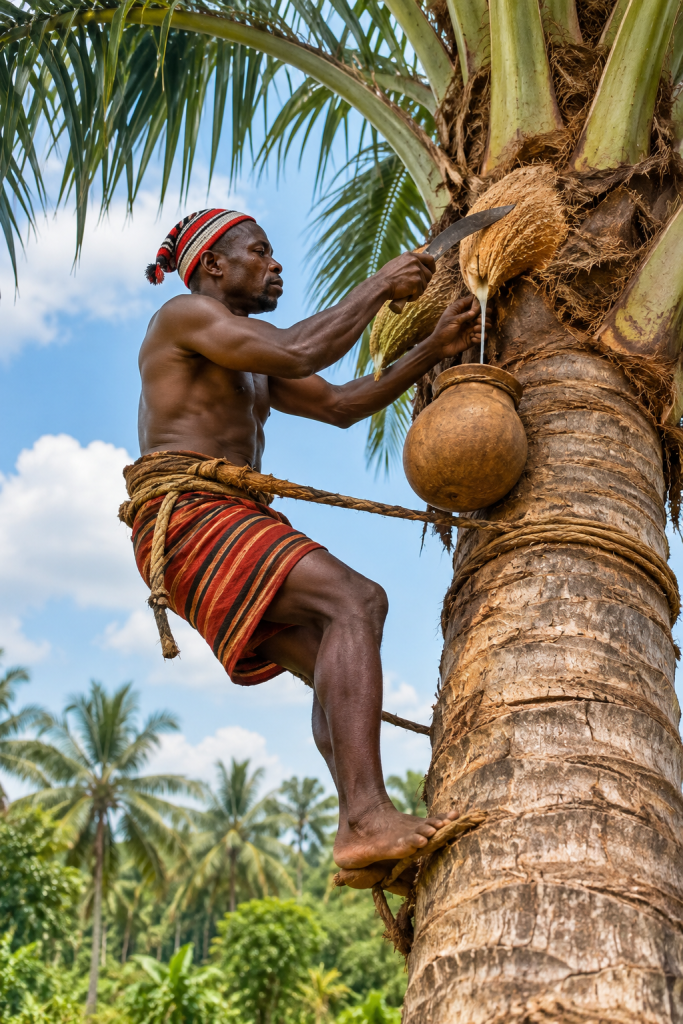
There are two types of local palm wine often used to illustrate the importance of being intentional about life’s purpose.

One is called Ngwo Palmwine. It rushes quickly and fills the keg fast, but its lifespan is short and so is its quality.

The other is Nkwu Palmwine. It trickles one drop at a time, requiring patience and endurance. However, once obtained, it is more valuable, lasts longer, and has the highest quality.

Therefore, stay true to your nature. If you are Ngwo, do not compare yourself to Nkwu. In the end, quality will always be chosen over quantity.

Prioritize your life according to your purpose and work on it daily and consistently, for no one truly knows their last goodbye.

What’s the Point After All?

Some may wonder: What is the point, since everyone will eventually die someday?

There is an Igbo saying that one should not avoid war simply because death is possible, because a coward fails to understand that there is value in battle.

A land without value attracts no contenders.

My point is this: we were not created to remain in one state forever, but to transform from one level to another. Death is not the end of life, but the cessation of the physical and biological aspects of it.

Therefore, our mission is to manifest the potentials placed within us through this physical body for the benefit of humanity and the glory of the Almighty.

Additionally, it is not how long you live that matters, but how impactful and fulfilled your life was while you lived it. Many people reject family, keep malice, and create enemies, forgetting that one day both they and their so-called enemies will cease to exist.

It is my sincere intention to urge you to reflect on how you are living today — the choices you make, the decisions you take, and the circles you build.

Most importantly, enjoy every moment with your family, wife, husband, children, and friends. Call your parents. Appreciate people. Respect people. Everyone is simply a memory waiting to manifest.

Let your actions make people better. Live in such a way that you remain in the hearts of many. Create value. Solve problems. Enjoy every day you wake up.

Remember: when you cry for someone, you are also crying for yourself, because they have experienced what you are yet to experience.

So live while you are alive, because you are not here forever.

I remain your friend and brother,
Maazi Onuora Obodoechi

THE FAMILY VALUES WE MUST NOT LOSE

There is no person more dangerous than someone who expects to live a life they were unable to build for themselves. Such people expect others to meet standards they themselves could not meet.

Once you are in the same space with them, you begin to notice a mindset driven by grandiosity and distorted perceptions, often rooted in a sense of lack. In such situations, you become merely a means to an end for their preconceived intentions.

Recently, I watched a podcast where people discussed gender roles in relation to family, relationships, and marriage. Listening to the conversation, one could only wonder what kind of society we are gradually drifting into with all these conflicts of interest in relationships today.

Now, some people demand “payment” for conceiving and bearing children, simply because they believe children belong only to the husband. Just imagine such a thought process. Is it not troubling that someone would emotionally distance themselves from their own family?

What could be more disturbing than a mother seeing her husband and children as separate entities from herself and proudly expressing such ideas on social media?

I am not against appreciating one’s partner. However, I am against entitlement and the false perception of being separate from your family.

There is nothing wrong with desiring a better life for oneself. The problem begins when people fail to appreciate that someone is giving them opportunities or support they could not provide for themselves. In many cases, it is this sense of entitlement and the belief that privilege is a right that creates the internal and external conflicts we see in relationships today.

Sadly, it is becoming increasingly common among African men and women to tear each other down publicly. We are gradually operating like people without culture or tradition.

Some women want a traditional African man who provides and cares for the family, yet reject the important role African mothers traditionally played in holding the family together. They want to work and earn money, which is good, but some also believe their income should never contribute to the family because “the man is meant to provide.”

The truth is that many people on social media who claim to teach others about relationships are speaking from places of pain and personal hurt rather than from wisdom, culture, or balanced understanding. Today, people discuss marriage and relationships based only on feelings, rights, and social trends while neglecting cultural values and even spiritual principles.

Some time ago, I spoke about emotional detachment and bias, where I highlighted the importance of building your immediate family without neglecting where you come from.

I want to say this clearly: once the meaning of family, marriage, and relationships is destroyed, society itself will begin to collapse.

Many people think the growing fear of commitment among responsible men and women does not concern them, until their own children grow up in a society filled with broken homes and emotionally wounded people raised by broken parents.

This is not an attempt to blame anyone. Rather, it is a plea for people to seek professional help when they are hurt instead of constantly attacking one another.

As a woman, a man who truly cares for and values you will teach you, guide you, listen to you, and stand by you willingly. It is a mistake to believe that constant drama or emotional instability will make a man stay loyal or committed. Everyone, especially men, needs peace of mind.

As a woman, you have the ability to create peace and emotional safety in your home. You may not always know how to love perfectly, but you can create an environment where your man feels safe enough to think, grow, and build.

Reinvent yourself. Build values. Be careful who you listen to. The painful truth is that many people who constantly speak about independence and rights often end up lonely because they neglect the importance of emotional connection, understanding, and family.

And to the men: let us value and protect our women. We owe it to our children and families to be responsible and productive. Most importantly, learn to choose what you need over what you merely want when selecting a wife and mother for your children.

My submission, therefore, is that we should return to our traditional family values while also embracing the good values from other cultures. However, we must eliminate the mentality that everything foreign is automatically superior or authentic.

Many people grow old lonely and full of regret because of poor choices they made when they were younger. As our people wisely say, “It is the firewood you gather during the dry season that will sustain you during the rainy season.”

Finally, to those who have genuinely been good to their partners and children yet received hurt, insults, blame, and rejection in return, keep your head up. Remember, it is often worse for those who lack self-love and appreciation for others.

Move on and find happiness, because we all deserve to love and be loved. However, let us build relationships intentionally and remain true to the values we desired before entering them.

Whatever you expect from another person, strive to offer it yourself.

Stop the entitlement mentality. Invest in yourself. Build a family you will be proud of, and do it with a committed partner. Refuse to be swayed by the false narratives surrounding unhealthy independence and selfish freedom.

I remain your friend and brother,
Maazi Onuora Obodoechi

Freedom, Values, and Self-Accountability

Which is more important: being free to do whatever you want, or being guided to choose your needs over your wants?

Any wise person would choose to live intentionally and be guided by principles and values. Today, conversations about relationships have become dominant across many social media platforms. Unfortunately, much of the discussion is centered on avoiding a man’s controlling nature or a woman’s manipulative behavior.

Women accuse men of being the villains, while men blame women in return. The people who suffer the most are often the kind-hearted individuals who genuinely believe in supporting their partners and helping them grow. Sadly, these people frequently become victims of the bitterness and anger spreading from one platform to another.

A dangerous mindset is gradually becoming common in society: many people no longer want to endure challenges in relationships. Everything is quickly labeled toxic, and many enter relationships already leaving a window open for separation or divorce.

In some extreme cases, even ending a relationship has become risky because entitlement and emotional instability have consumed many people. However, that is a discussion for another day.

The issue I want us to reflect on today is self-accountability. People must learn to hold themselves accountable for the decisions that bring them pain and disappointment because that is the only way growth and wisdom can come.

Instead of living recklessly in your younger years and later blaming society or others, invest in yourself. Learn a skill, study, develop yourself, and build personal values that will guide your life.

Today, sexualized content and the promotion of nudity are booming, but what many people fail to realize is that tomorrow, their children may have access to the life they publicly displayed today because the internet never forgets.

Rather than hiding behind the phrase “young and dumb,” live your life according to meaningful values and principles.

Purity and chastity have been so watered down that people hardly speak about them anymore. Yet, self-discipline helps build self-control, self-worth, self-love, dignity, and confidence.

When a person gives themselves carelessly to anyone at any time, it often reflects how they value themselves and what they believe they deserve.

The point I am making is simple: any freedom without boundaries eventually leads to destruction. Pleasure and enjoyment are not wrong, but they should be guided by personal principles and values.

Many people have been deeply hurt, and as a result, they now despise anyone who appears genuinely good. Some have suffered so much that they have become like the very people who hurt them. I recently saw a lady on TikTok teaching women how to hurt men, while another man was teaching men how to hurt women.

Ironically, these same people still hope to get married someday and raise children.

I believe we all need healing, and we need to give love a chance again. There is so much hidden pain behind fake smiles, luxurious lifestyles, and attractive appearances.

As I conclude, whether you are a man or a woman, make sure you are living your life according to principles and values that align with your purpose.

Let us place personality, character, and personal development above fleeting fantasies and unhealthy societal trends. People should focus on creating value, building strong character, and preserving themselves for meaningful relationships.

The constant promotion of bodily exposure and unhealthy enticement, especially among young people, should be carefully addressed.

Many people who truly understand what is happening in society today are deeply concerned about the level of unhappiness that may emerge in the near future. We are gradually losing the culture of shame, accountability, and honest self-reflection.

Finally, being an adult does not mean being reckless or making destructive decisions simply because you have the freedom to do so. Let us stop transferring pain and hurt to others. Let us heal, rebuild our values, and live lives that help us fulfill our purpose.

“O ma akwa asa ahu mara onwe ya.”

I remain your friend and brother,
Maazi Onuora Obodoechi.
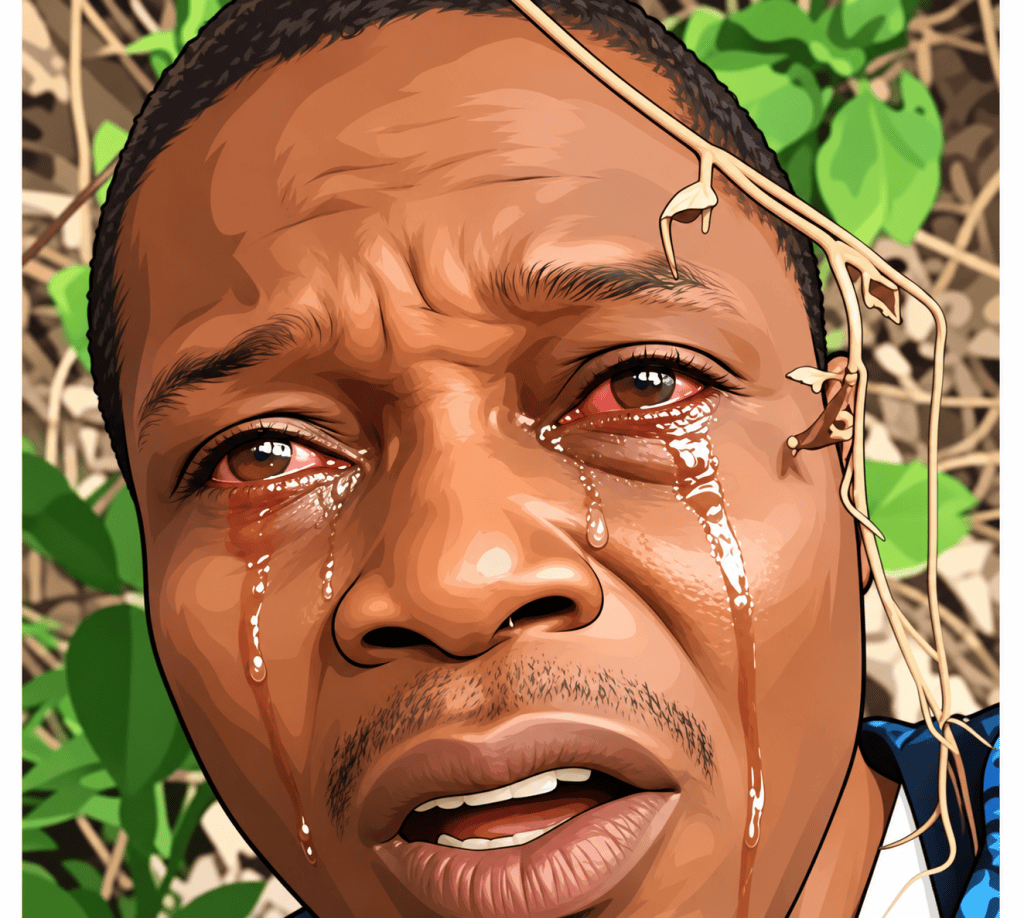
🌍 Honouring Nurses: The Unsung Heroes of Humanity

In the spirit of Nurses Week, I want to sincerely appreciate nurses all around the world for their priceless contributions to global health and humanity.

Nurses are the heartbeat of medicine and healthcare. They are the lifeline of every medical profession. Whenever I reflect on the origin and essence of nursing, I cannot help but believe that nursing is more than just a profession , it is truly a divine calling to serve humanity.

Nurses work tirelessly alongside doctors, pharmacists, medical laboratory scientists, dietitians, and other healthcare professionals. Most importantly, they remain the closest to patients, providing care, comfort, advocacy, and hope during vulnerable moments.

In nursing school, nurses are trained across various areas of medicine, acquiring broad and significant knowledge that enables them to support, assist, and collaborate effectively with other healthcare professionals. Nursing requires intelligence, resilience, compassion, discipline, and sacrifice.

Nurses are caring, selfless, and deeply committed to service. To be a nurse is not ordinary; it is a special calling, and every nurse should be proud of the profession.

However, while nurses are called to save lives, they are also human beings who deserve to earn a decent living. Sadly, in many parts of the world, despite their enormous contributions to healthcare, nurses remain among the least appreciated and underpaid professionals. The situation is even worse in parts of Africa, particularly Nigeria, where many nurses are not given the respect they truly deserve.

In some private hospitals, nurses are forced to perform duties far outside their profession , acting as gatekeepers, generator operators, and assistants under poor working conditions, while being poorly paid. Some are treated unfairly and denied the dignity their profession deserves.

It is painful that a profession as noble as nursing continues to suffer neglect in Nigeria. Nigerian nurses excel anywhere in the world, proving clearly that the issue is not incompetence or lack of skill, but rather the absence of adequate support, proper healthcare policies, and political will to create opportunities and improve their welfare.

Another growing concern is quackery within the profession. Today, some unqualified individuals parade themselves as nurses simply because they wear white uniforms, despite lacking proper training and certification. This continues to damage the integrity of the profession and places patients at risk.

Qualified nurses in Nigeria face many challenges — poor remuneration, difficult working environments, lack of government support for nursing education, and constant competition with untrained individuals. Many nurses struggle greatly to finance their education, yet there are little or no educational support systems available for them.

I therefore call on every nurse, especially in Nigeria, to remain proud of themselves and never stop demanding what they truly deserves. Despite the poor environment, inadequate support, and countless frustrations, nurses continue to show resilience, professionalism, compassion, and dedication to patient safety and recovery.

Another serious issue is the way some patients and relatives treat nurses. It is unfortunate that some people believe nurses are slaves or people who should be spoken to rudely. There have even been cases where nurses were assaulted while carrying out their duties, yet little or nothing was done to protect them.

Let us remember that nurses and healthcare workers are human beings too. They get exhausted, emotionally drained, and overwhelmed. They also have personal and family struggles, yet they continue to show up every day with courage and compassion to care for others.

If you ever need the attention of a nurse or healthcare worker, please approach them with respect and kindness. A little empathy can go a long way.

Nursing has never been only about the salary. It is deeply rooted in compassion, passion, sacrifice, kindness, and the intentional decision to care for humanity.

May God bless all nurses around the world and strengthen them in every area of their lives.

To those who have lost their lives in the line of duty through infections, accidents, violence, or patient assaults — you are true heroes. Your sacrifices will never be forgotten, and may the Almighty reward you abundantly.

Happy Nurses Week to all our amazing nurses worldwide. ❤️

I remain your friend and brother,
Maazi Onuora Obodoechi

Healing Beyond the Silence

Fred was raised by his mother after his father died of tuberculosis when he was just four months old. Despite this early loss, he grew up in a warm and loving home with his stepfather and siblings.

Although his childhood was happy, Fred always felt the absence of a biological father. He often wondered what that kind of love would have felt like. Determined to build a better future, he committed himself to a healthy lifestyle and worked hard to secure a stable job. More than anything, he longed for a family of his own. If his stepfather could love him so deeply, he imagined how extraordinary a biological father’s love might have been.

Fred had heard stories about his late father and believed he would have been a wonderful man. Rather than dwell on regret, Fred chose to see life differently, the responsibility was now his. He would become the kind of father he had always wished for.

Over the years, Fred met several women, but none of them matched his vision of a wife and the mother of his children. Eventually, he decided to leave everything in God’s hands. Time was no longer on his side, but he was willing to wait.

People say love can be found in the most unexpected places. One day, while on his way to visit his maternal grandmother, Fred met Cynthia. She was a medical student, intelligent, poised, and strikingly beautiful. Fred didn’t hesitate to approach her. What began as a simple conversation quickly blossomed into friendship, and before long, Fred made his intentions clear.

Friends advised him to take things slowly, but Fred was certain. Cynthia was everything he had hoped for, tall, graceful, articulate, and responsible. Some joked that he had been enchanted by her dimple and the slight gap between her teeth, which framed one of the most beautiful smiles anyone had ever seen. Fred would become Cynthia’s first love, and, he hoped, her last.

Their wedding was a joyous celebration, and married life began with promise. They learned each other’s ways, growing and evolving together. Fred supported Cynthia through her education until she graduated as a pediatrician. Soon, they built a beautiful family with four children. Like any couple, they faced challenges, but they always found a way to resolve them.

Everything began to change when Cynthia started working. With financial independence came new friendships and a different lifestyle. Contrary to what many might expect, Fred wasn’t bothered by how much she earned. What troubled him were the late nights, frequent outings, and constant work trips.

Cynthia, on the other hand, felt restrained. She began to blame Fred, claiming he had taken away her chance to enjoy her youth by marrying her early. She wanted to experience the life she felt she had missed.

The situation became even more complicated when Nancy, Fred’s ex-girlfriend, joined Cynthia’s workplace. Nancy was unusually friendly toward Cynthia, and since she appeared happily married, Cynthia thought nothing of it. Instead, she began to see Fred as the problem, often saying, “That’s how men treat women, pathetic.”

Gradually, things fell apart. The tension at home became impossible to ignore, even for the children. Cynthia seemed distant, not only from Fred but also from her family.

One evening, when Fred returned from work, Cynthia confronted him.

“Mr. Fred Okeke,” she said firmly, “I want out. I want a divorce, and that’s final.”

Fred was stunned. He buried his face in his hands, caught between laughter and tears.
This is not my wife, he thought. Even if she no longer loves me, what about the children? What about everything we’ve built?

He suggested therapy, hoping they could salvage their marriage, but Cynthia refused. She had made up her mind.

Though heartbroken, Fred respected her decision. “This isn’t the family I imagined when I came to you,” he said quietly, “but if this is what you want, then so be it.”

In silence, Cynthia fought back her emotions.

Fred took the children to his mother’s house and contacted a lawyer to begin divorce proceedings. Exhausted and confused, he visited his close friend Kelvin, who was equally shocked. Reflecting on his own experiences, Kelvin offered his perspective, though it did little to ease Fred’s pain.

With no clear answers, Fred turned to his stepfather for advice. The older man urged him to be patient, to pray, and not to make decisions in anger.

While they were still talking, Fred’s phone rang. It was Nancy—though he didn’t realize it at first. Her voice was panicked. Cynthia had collapsed at work and had been rushed to the hospital.

Fred drove there immediately.

It was there that the truth came out: Cynthia had been diagnosed with ovarian cancer.

Everything suddenly made sense.

Cynthia’s behavior, her distance, her insistence on leaving, it had all been driven by fear. She believed she was going to die and didn’t want her family to suffer the pain of losing her. By pushing them away, she thought she was protecting them.

Fred broke down in tears. Cynthia, equally emotional, begged him to take care of the children and reminded him how much she loved them.

But Fred refused to accept defeat. He insisted on treatment. The cancer had been detected early, and there was hope. They began the process, chemotherapy first, with the possibility of surgery if necessary.

Marriage, like life, is unpredictable. It demands patience, understanding, and constant communication. Sometimes, the behaviors we resent most are silent cries for help.

Cynthia eventually underwent surgery and made a full recovery. Their family, once on the brink of collapse, was restored.

In a quiet moment, she reassured Fred that she had remained faithful throughout their storm. The doctor later confirmed that if they had delayed any longer, the outcome might have been very different.

Love is not always easy. Sometimes, it is painful. But it is also enduring.

Take care of your partner. Listen deeply. Stand firm in difficult times, because family is strength.

I remain your friend and brother,
Maazi Onuora Obodoechi.

Obodo emebi go, our land is in agony.

There is nothing as dangerous as a powerful slave. Wearing a crown does not change a person’s mind, it only exposes it. Though the colonial masters have physically left the African continent, they remain with us psychologically and emotionally. This is evident in how we relate to one another. Africans continue to enslave themselves by refusing to learn, unlearn, and grow.

The sycophants among us interfere in the affairs of leadership while the elite sit back and watch. The mentality of master and servant still exists today, you see it in classrooms, workplaces, and even among government officials. Once someone is given a position within an institution, they often become authoritarian, viewing colleagues as subjects rather than equals.

This problem extends even to primary school classrooms, where a simple prefect role can be misused. It raises important questions about the kind of leadership model we have accepted as a people, and it helps explain why many of our so-called leaders continue to please outsiders at the expense of their own citizens.

Today, many government-created task forces and unions exist to enforce policies and maintain order. However, these policies are often implemented without meaningful public participation. More concerning is how these task forces operate, their original purpose frequently shifts toward revenue generation rather than service. They are less about creating lasting change and more about punishing defaulters and extracting compliance.

We hear of people dying in police detention without proper investigation. In some cases, individuals are killed publicly without consequences. Justice is no longer about the law but about who you know.

In South Africa, we see Africans turning against fellow Africans, labeling them as foreigners, while the real economic powers remain largely untouched. And even if someone is a foreigner, does that justify taking a life you cannot create?

Gradually, we seem to be drifting toward barbarism. The pain a tree feels when struck by an axe is deeper because the handle is made from the same tree. In the Southeast, armed groups operate where there is no declared war, and innocent traders and businesspeople fall victim in the name of security.

It saddens me each time I read or hear about these events happening in a continent so richly blessed with natural resources. Sometimes I wonder if we might have been better off without them. Yet the real problem is not the resources, it is the selfishness and greed of leaders, and the unquenchable desire to please outsiders.

Woe to the land when a slave becomes king… Aru mere ha.

Villages, communities, and states must rethink the path we are taking. Today, one can hardly step out with confidence of returning safely. It may be fake police officers or unknown task forces accusing you of crimes you did not commit, only to detain or extort you.

Everyone must remain watchful—maka agwo di na akirika ooo. Protect yourself and stay alert. Together, we will get through this phase, but we must stay alive to see it.

Isee!!

I remain your friend and brother,
Maazi Onuora Obodoechi.