
The Strength of a Woman: Reflections on Motherhood and Love ❤️

The first time I assisted in a labour ward, I sincerely appreciated the intelligence of God. But even more than that, I came to appreciate the resilience, the pain, and the sacrifice that mothers go through to bring forth their children. ❤️

I remember one particular incident on my very first night. A woman gave birth to her first son. When the husband was called in, to his credit, the first thing he asked about was his wife before the baby—a gesture that revealed how caring and loving he was toward her. After seeing his child, he turned to his wife and said words that have stayed with me ever since: “Thank you for making me a father.” ❤️

The power that women possess is immeasurable. They have the ability to transform a man’s identity—from someone’s son to a husband, and then to a father. Women multiply families, incubate and bring forth new life, nurture children, and guide them into becoming responsible members of society. ❤️

In my culture, the role of a woman begins from the day she is born. Society often, even unconsciously, promotes the Ada—the first daughter—to the role of an assistant mother. She is charged with the responsibility of caring for the younger ones and is often expected to know certain things without being told. This style of upbringing pushes her toward proactive thinking and deep nurturing instincts. In many homes, she becomes the bridge within the family—the one person who can speak to her father with both respect and warmth, sometimes almost as if he were her son (never rudely, of course). In some families, first daughters are even affectionately called “Nne” (Mother) by their fathers—a title that quietly strengthens their sense of responsibility and wisdom. ❤️

I sincerely love and value our women because I cannot imagine what the world would be like without them. If you have a mother, sister, female friend, or colleague, cherish them. Celebrate them. Gift them love and appreciation—especially our mothers—because they deserve all the care in the world. ❤️

There is a saying that a mother can never forget her baby. For all the women striving every day to make ends meet for their husbands, children, and families, may you live long enough to enjoy the fruits of your labor—your grandchildren. Someone once joked that grandchildren are God’s way of saying “thank you” for not giving up on your children during their teenage years. ❤️

I also want to acknowledge women who may feel misunderstood or judged, those who may seem as though they are bringing a bad name to womanhood or motherhood. Many of them may be going through deep stress, pain, or frustration. To them, I say: you are still loved and appreciated. No matter how difficult today may be, remember that you are a woman—a symbol of resilience, strength, sacrifice, love, care, and the preservation of nations. Do not give up on yourself or your family. ❤️

To the men, I have this to say: the strongest man is often the most humble in his home. This does not mean devaluing yourself or becoming weak. Rather, it means leading by example—being responsible, appreciating your wife openly in front of your children, caring deeply for your family, correcting your children with both firmness and love, and compromising when necessary for peace and growth.

As the saying goes: “Maka na agu na abu nna diri umu ya ma buru agu n’ezie.”
(Because a leopard is a father to its cubs, but a leopard to an intruder.)

In other words, a father should be respected in his home—not feared. ❤️

Finally, to the children, I leave you with Exodus 20:12:
“Honor your father and your mother, so that you may live long in the land the Lord your God is giving you.”

Always find ways to receive your parents’ blessings. Help with the dishes, do your homework, be obedient, and most importantly, be appreciative—a virtue that is sadly being replaced today with entitlement. Call your parents often. Show them that you care. And if they are no longer alive, appreciate whoever has stepped into that role in your life. ❤️

Happy Mother’s Day to all the mothers around the world. Keep being who you are—we see you, we value you, and we appreciate you deeply. ❤️

I remain your friend and brother,
Maazi Onuora Obodoechi
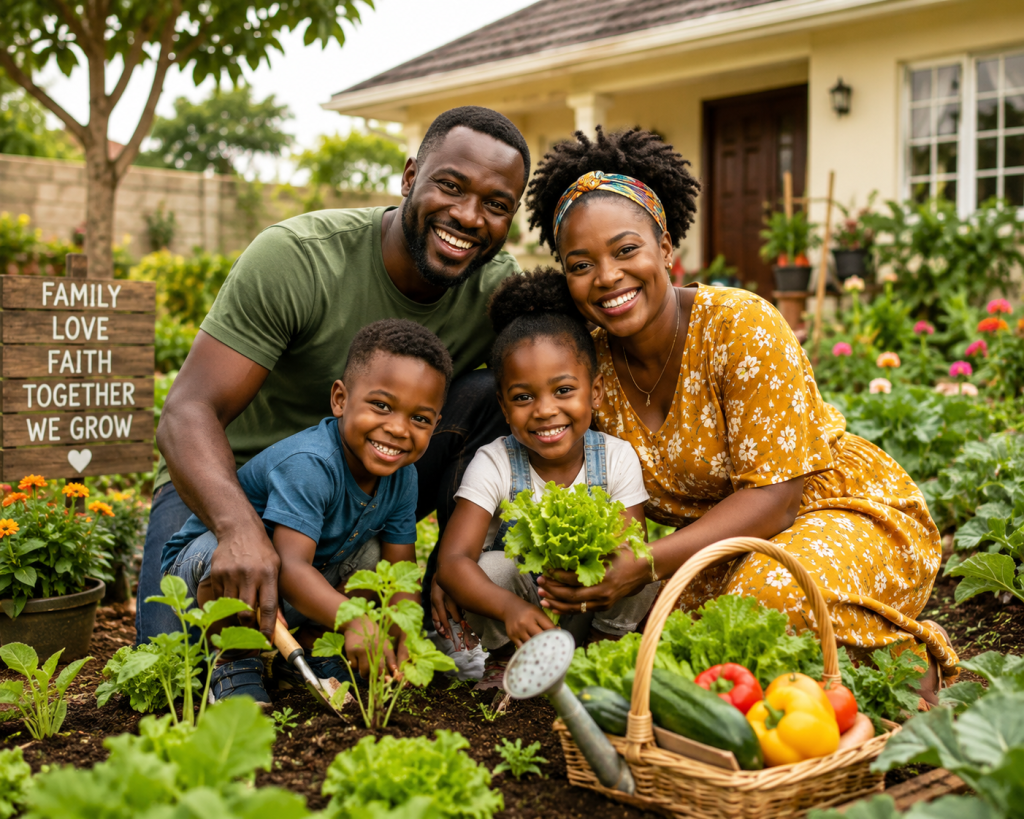
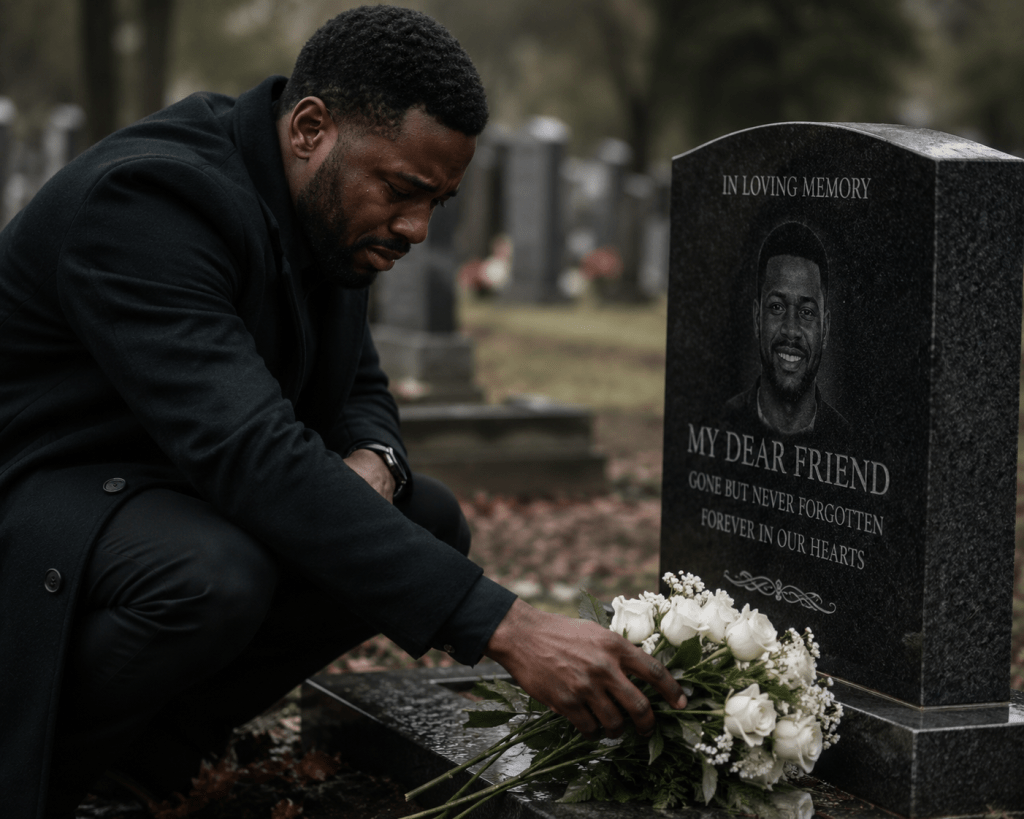
🌸 A Moment of Reflection: Let Us Not Forget Our Humanity ❤️

One fact about being strong is that people often assume you are doing great. 🌸 Strength can be misunderstood as having no struggles. That is why it remains important to intentionally check on those we love—our friends, our family, and even those who appear to have everything together. ❤️ Sometimes, when people reach certain heights in life, they lose touch with old friends, and perhaps that is why many say there is loneliness at the top.

As I reflect on the world around us, it feels as though we are standing at the edge of losing a part of our humanity. We speak proudly of civilization, yet wars continue. Violence and immorality are increasingly normalized on our television screens. The most popular content on many movie platforms today often centers on murder documentaries, sexual violence, and other vices—things that can quietly erode the mental and emotional well-being of our children. 🌸

Another reality of our time is the culture of labelling. Almost every action today seems to have a name and a justification. In many cases, it has become difficult to distinguish between a principled individual and a narcissist. Family structures are also evolving in ways that raise questions about the values that once defined marriage and family. Increasingly, people desire love, success, family, and marriage, yet many are not always willing to commit to the effort required to sustain them. ❤️

Our people have a saying: “Afufu gbaa nwoke obi, o di ka o na eke ike.” When a person becomes accustomed to suffering, they may begin to mistake endurance for productivity or hardship for strength. This reflection reminds us that true strength rarely needs to announce itself. Those who are truly strong and independent do not always feel the need to prove it to the world. 🌸

There are also conversations today about identities and behaviours that have existed for a long time but are now more clearly labelled. Sometimes, people may hide under different umbrellas in an attempt to cope with trauma or chaotic backgrounds. Rather than helping them truly heal, society may unintentionally validate those wounds as permanent identities instead of guiding them toward restoration. ❤️

Of course, everyone has the freedom to live as they choose. Yet it is worth reflecting on an important question: At what point do we draw the line between understanding the pain people have experienced and helping them rise above it, rather than allowing that pain to permanently define them? 🌸

Ultimately, my reflection is this: in the way our world is evolving, we may unintentionally overlook those who truly need help. Sometimes behaviours that appear to be identities may actually be silent cries for support and healing.

Let us choose compassion. Let us stop hurting one another. And above all, let us make it a habit to check on the people we love. ❤️ The sad reality is that all lizards crawl with their stomachs on the ground, making it difficult to know which one has a stomach ache.

May God open our eyes and give us wisdom—to discern between decisions shaped by trauma and the deeper reality of who people truly are. 🌸

With reflection and goodwill,
I remain your friend and brother,
Maazi Onuora Obodoechi ❤️

❤️ Reflection on Faith, Reason, and True Spiritual Growth ❤️

The elders in Umunomu village were once asked by the local government council to choose what their community needed most. They were given three options: a school, a health centre, or a worship centre. To the surprise of many, the majority of the community members chose the worship centre.

They prioritised building a place of worship over a school and a health centre. When a friend shared this story with me, I was not entirely surprised. Over time, it often appears that many of our people become so emotionally attached to religion that reasoning is sometimes set aside whenever worship is mentioned. ❤️

The truth is that many people do not clearly understand the difference between being religious and being spiritual. In simple terms, religiosity can sometimes resemble following the bandwagon, while spirituality points to a deeper, personal alignment with God. ❤️

Religion was originally intended to bring people closer to God. However, it can sometimes be used in ways that keep people overly dependent, obedient, and even naïve—especially when individuals stop thinking and growing for themselves. Jesus himself did not emphasise religious labels but demonstrated direct communion with God. In doing so, he showed that we also have the authority and the right to connect with God personally. That is why he said, “Where two or more are gathered in my name, I am in their midst.” The gathering, however, should be of people who are spiritually awakened, not merely people assembled around a personality. ❤️

Religion, in many cases, becomes a structured system of belief created and organised by people based on interpretations of the Gospel. Religious communities often have clear identities, doctrines, and rules that must be followed. It can involve submission to established authority, repetitive rituals, and practices centred on belief and faith. People are often taught that if they believe and follow every step correctly, they will achieve the desired outcome. And when things do not work out, they may feel they simply “missed a step.” ❤️

This approach sometimes shifts the entire responsibility onto the individual, making outcomes appear to depend solely on the strength of one’s faith. In many cases, religion becomes more focused on gathering followers than on deepening a genuine connection with God. It can also create boundaries between “us” and “them,” separating people based on belief systems. ❤️

What, then, about spirituality?

Spirituality goes beyond outward expressions of faith. It is about becoming the living expression of the Word of God. It does not end with speaking in tongues, quoting scriptures, or listening to sermons—it continues in actually living out what is preached. ❤️

True spirituality is about embodying values, morals, and principles that align a person with God and with their life’s purpose. It is about recognising the gifts and potential within you and working diligently to develop them. It does not seek to show off; instead, it quietly transforms you. Through your character and actions, you naturally become a teacher, a mentor, or a guide to others. ❤️

Spirituality reflects itself in everyday living—in discipline, in routine, in practical wisdom, and in placing God first in daily decisions. It is a lifelong journey that does not suppress reasoning but awakens the mind and consciousness to the will of God. ❤️

The house of God was meant to be a place where people filled with the Holy Spirit gather in sincerity—not a stage where deception or false miracles manipulate the vulnerable. ❤️

My point is this…

The kind of religion often practised in Nigeria sometimes appears to have clouded reasoning rather than strengthened it. Instead of drawing people closer to God, it can gradually pull them away from the deeper essence of faith. Rather than embodying the teachings of the prophets, people sometimes focus more on the messengers than on the message itself. ❤️

Many religious leaders struggle to speak truthfully about the realities affecting the people they lead. Meanwhile, many followers cling to the hope of heavenly rewards while neglecting the responsibility of developing their God-given potential here on earth. Some follow doctrines so strictly that they lose sight of their own purpose and growth. ❤️

My humble submission is this: it is good to follow the principles of God. If you are a Christian, pray and fast. If you belong to another faith, honour your path. But in all things, do not forget to discover, develop, and live out the potential that God has placed within you. ❤️

Let us not become like the people of Umunomu who chose to build a worship centre above the most basic needs of their community—though perhaps they were simply in a hurry to see God. ❤️

Always remember: be a doer of the Word, not a hearer alone. God is not mocked—what a person sows, that they will also reap.

So plant wisely. ❤️

I remain your friend and brother,
Maazi Onuora Obodoechi

❤️ Let Your Life Be a Testimony of God’s Goodness

❤️ There is no point in being afraid of the inevitable. The Lord instructs us in Matthew 10:28 that we should not fear those who can kill the body but cannot kill the soul. Rather, we should fear Him who is able to destroy both soul and body.

❤️ The fear of God here speaks of reverence. It means putting Him first in everything that we do. Sadly, many of us are now caught up in pleasing people, forgetting that in the end, it is the will of God that will prevail.

❤️ Once upon a time, there was a man who became friends with the spirit of death. Their friendship grew so strong that the spirit of death—Onwuamaenyi—would often inform his friend about who was next in line to die.

❤️ One day, Onyemaechi received a call from his friend Onwuamaenyi and heard one of the saddest pieces of news anyone could receive: he was next on the list. Being a wise man, Onyemaechi invited his friend for a last supper.

❤️ He prepared a delicious pot of oha soup and pounded yam. When Onwuamaenyi arrived, he showed Onyemaechi the list, and indeed his name was number one. Onyemaechi pleaded, but his friend told him that his hands were tied.

❤️ Accepting what seemed to be his fate, Onyemaechi welcomed his friend to the dining table. They ate heartily and drank fresh palm wine together.

❤️ After enjoying the meal, Onwuamaenyi became sleepy and dozed off at the dining table. E gbuo! ka aruru aka, Onyemaechi quickly tinkered with the list and quietly moved his own name to the very end.

❤️ When Onwuamaenyi woke up, he was so pleased with the meal and hospitality that he expressed a desire to continue enjoying such kindness. In gratitude, he told his friend that he had decided to begin his work from the last name on the list instead of the first.

❤️ It was at that moment that Onyemaechi realized a deep truth: no one truly knows tomorrow. Whatever will be, will only be according to the will of God.

❤️ The message here is simple—live every day as though it were your last. Be more concerned with the things that draw you closer to yourself and to your Maker. The universe does not operate according to our feelings but according to established laws.

❤️ Remember the story of Dorcas, who was given a second chance because of her kindness—using her skills to sew clothes for the less privileged. Her good works spoke for her.

❤️ Another truth is this: we will all die when our time comes, but our good deeds and kindness will outlive us. It does not matter who you know; even the man who befriended death itself could not ultimately avoid it.

❤️ So be guided. Live your life not in fear of men, but let every day of your life be a testimony of God’s goodness and mercy—lived in reverence to Him and in service to humanity.

❤️ Remember Matthew 25: “Whatever you do to the least of my brothers, that you do unto me.”

❤️ Death is inevitable, but it does not mean the end of life. Therefore, it is a waste to spend our days worrying about it. Instead, live fully—giving glory to God and being a blessing to others.

❤️ I remain your friend and brother,
Maazi Onuora Obodoechi

❤️ When the Shepherd Is the One to Fear ❤️

I find it deeply interesting how sheep can spend their entire lives fearing wolves, only to eventually be consumed by the shepherd. In the same way, chickens in a poultry farm are fed, exercised, and protected—only to be sold or consumed for profit. They are animals, and perhaps they do not possess souls like humans, but the lesson remains profound: not every handshake means congratulations. ❤️

Behind many smiles, there can be hidden pain. This is why we must be mindful of what we eat, what we drink, who we associate with, and how much of ourselves we share with others. ❤️

Unfortunately, these hidden human intentions sometimes extend into relationships, especially marriage. One begins to wonder about the true essence of marriage when couples constantly find themselves at each other’s throats, or when someone fills their partner’s heart with love only to break it later—just like the shepherd who feeds the sheep before the final moment. ❤️

Today, we see rising cases of domestic violence, divorce, and the increasing normalization of co-parenting. Many people can barely tolerate each other anymore. Everyone seems to want freedom until old age arrives. Sadly, this has become so common that even children are beginning to see it as a normal way of life. ❤️

I remember a story told about a woman who was often beaten by her husband in the olden days. She was deeply troubled because her husband was widely known as a gentle and respected man. She could not identify when or how their relationship had deteriorated, so she sought counsel from her mother.

Her mother asked when the threats of physical violence first began. The woman recalled a particular moment when they had a heated verbal altercation. Her mother then gave her a simple piece of advice:
“Whenever he begins to argue, take a cup of water and hold it in your mouth. Do not spit it out until he finishes speaking.”

The daughter tried this approach—and according to the story, it marked the end of their domestic conflicts. ❤️

This story is not meant to justify abuse or encourage anyone to endure violent relationships. Rather, it reminds us to examine ourselves and reflect on how we relate to our partners. Sometimes conflicts arise because boundaries were never set. Other times, the boundaries we create may reflect suspicion or a lack of trust. ❤️

There are moments when wisdom lies in silence, because not every rainwater deserves your bucket. ❤️

The power of being yourself, standing firm, and being realistic in a relationship is incredibly important. Many people guard their hearts carefully, only to have them shattered in marriage by someone who has not yet healed from their own wounds. ❤️

A glass is only dangerous when it is broken. Be careful how you treat people who are kind, gentle, and easy-going. They may appear transparent and fragile like glass, but once broken, the damage can be irreparable. ❤️

My message is simple: never be the cause of someone’s pain. If you cannot make someone better, please do not make them worse. Let empathy and consideration guide how we treat both ourselves and others. ❤️

Finally, remember that you are your own responsibility. Protect your energy. Work quietly. Just as you may fear the wolf in the field, also be mindful of the sheep within the house. This does not mean living in paranoia, but it does mean refusing to lose yourself in any human relationship.

Maka na nkwucha abughi ujo. ❤️

I remain your friend and brother,
Maazi Onuora Obodoechi ❤️
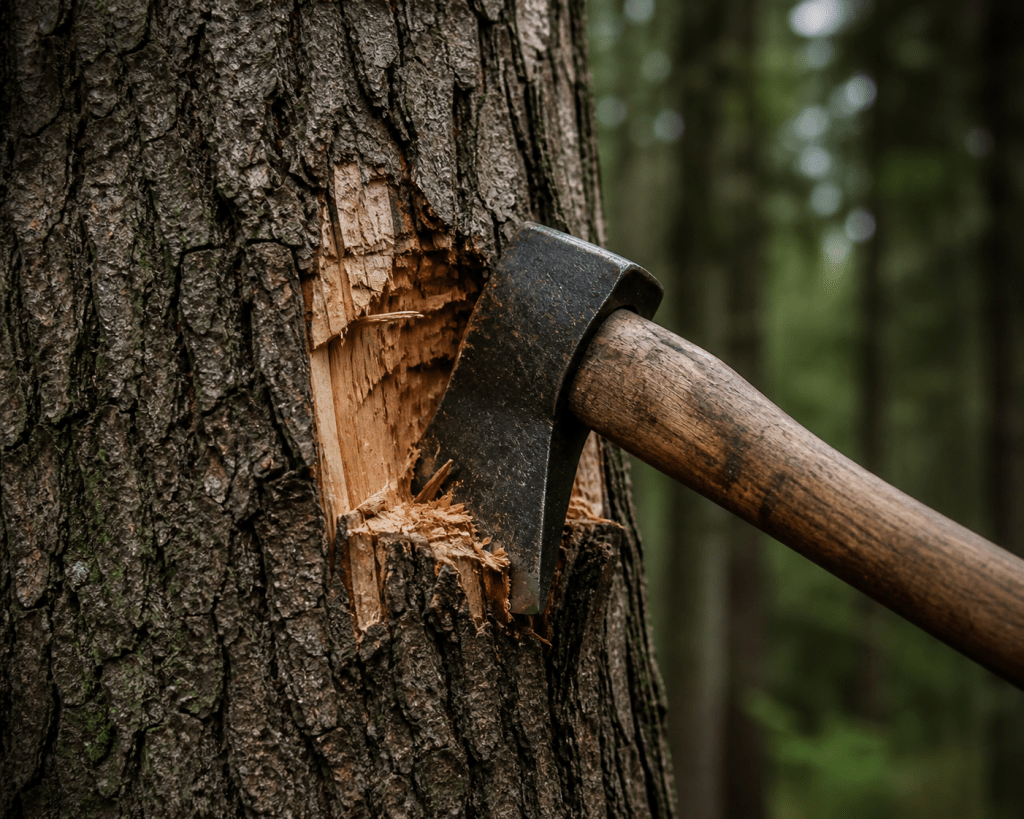
🦁 OGBUAGU – The Lion Killer ❤️

In the thick forest of Ebenebe village, a fierce and deadly lion once roamed. Many believed the beast had escaped from the dreaded evil forest. But behind the whispers and fear was a darker story.

It was said that Onochie, a prominent man in the community, had secretly conspired to take control of the village lands. To achieve this, he struck a deal with Dinta—the feared Ochiagha of Umunabo village. Dinta was a legendary hunter, known for killing and capturing lions during his hunting expeditions. But his reputation carried more fear than admiration. He was notorious for using his beasts to threaten communities and seize their lands. No one dared challenge him—not even the king of Umunabo. ❤️

Through their agreement, Dinta released his beasts into the forests surrounding Ebenebe. Their mission was simple but cruel: terrorize the villagers, keep them away from their farms, and slowly force them to abandon their lands.

Tragically, Obioma’s children became the first victims of this evil plot. The beasts tore them apart, and when the news spread through the village, fear gripped every heart. An announcement was made that no one should walk alone again; people must move in pairs. Yet even that did not help—if anything, it only doubled the beasts’ meal. ❤️

Soon life in Ebenebe began to collapse.
Farmers stopped going to their farms.
Children stayed away from school.
Market paths became deserted unless someone carried a cutlass or walked beside a hunter with a locally made gun.

The neighbouring villages paid little attention to the suffering of Ebenebe. And because Umunabo was far away, no one suspected the hand of Ochiagha behind the chaos.

But the attacks grew worse. The beasts multiplied. They entered homes, shrines, churches, and even markets. Fear spread like wildfire. The youths became divided—some blamed the leaders for failing to protect them, while others simply prayed for the gods of the land to intervene. ❤️

Security efforts failed again and again. Unknown to many, Onochie’s own son was secretly leaking every strategy to the Ochiagha of Umunabo—who had now even taken Onochie himself as prisoner.

People began fleeing their homes. Leaders doubled their guards. Farmers abandoned their lands. What began as control of a forest soon turned into the capture of entire communities.

It felt as though Ebenebe had already been conquered.

Then, when hope seemed lost, a man emerged—Osike.

Osike made a bold announcement. He called for thirty men to follow him into the forest to confront the beasts. Many people laughed at first. Some thought grief had driven him to madness, remembering that his father had died a drunkard. But Osike was determined. Deep inside, he believed it was time to save his people and reclaim their land. ❤️

He asked for thirty men.

But as courage began to awaken, the number grew to one hundred.

Together they marched into the forest—carrying fear, courage, determination, and resilience in their hearts. Marching from all ends of the forest, leaving no room for escape.

On the first day alone, they killed about twenty lions. Many were injured, but their spirits were strong because they knew they were fighting for their land.

Day after day they pressed on.

By the tenth day, the beasts were gone.

Justice finally caught up with the conspirators. Onochie and the Ochiagha were thrown into the den of the two lions that had been captured—becoming the beasts’ final meal.

And from that day, Osike—the son of Ochiabuto—was honoured with the title:

Ogbuagu na Ebenebe — The Lion Killer of Ebenebe. ❤️


❤️ A Moment for Reflection

Does this story sound familiar?

If it does not, let me say it clearly: it mirrors what many communities are experiencing today in Nigeria at the hands of terrorists and bandits. These groups now recruit children, exploit women, and force them into marriages.

If those in the South ignore the cries of those in the North, believing the problem does not concern them, we may be deceiving ourselves. When one part of a nation falls, the rest may soon follow. ❤️

This is why unity matters.

Rather than only praying or blaming leaders, we must recognize that survival sometimes requires collective courage. Like the people of Ebenebe, we must rise above our differences and confront the dangers that threaten us all.

Our elders say:

“A wise person first secures the floor before laying the mat.”

In other words, survival comes first. Only then can we continue our debates about who is right, who is wrong, or who has done more.

Let us reflect deeply on this.

Think about what people trapped in the hands of these “beasts” are enduring. Then decide whether silence is still the right choice. ❤️

I remain your friend and brother,
Maazi Onuora Obodoechi ❤️
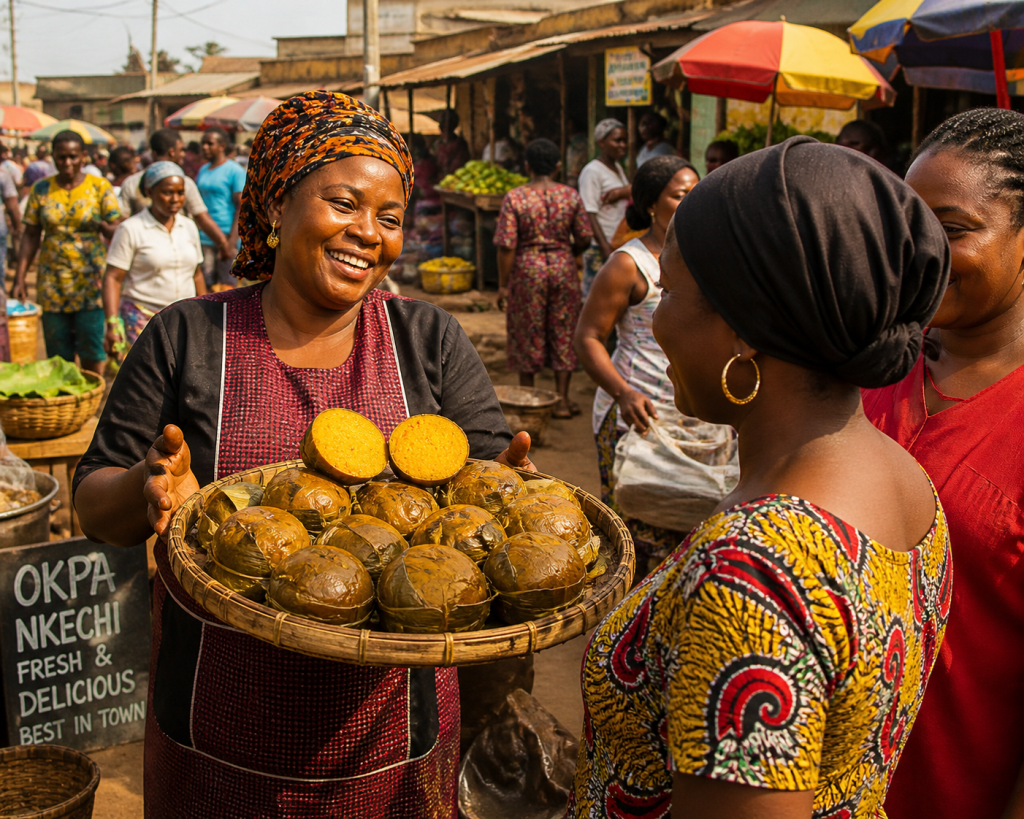
The Wisdom of Silence and Strength ❤️

One day, a young hawk — an eyas — joined his mother on a hunting trip. ❤️ Each time the hawk swooped down and carried off a chick, the mother hen would leap into the air, flapping wildly. She would scream, curse the hawk, and cry out to the neighbours — even to the humans — hoping someone would come to her aid. ❤️

Despite all the noise and commotion, the hawk would always succeed. ❤️

When the danger passed, the mother hen would gather her remaining chicks, crying as she led them into hiding until nightfall.

As the eyas grew older and strong enough to hunt, his mother sent him out to find food for his siblings. ❤️ Flying nearly two miles above the ground, he spotted a mother hen with her newly hatched chicks. He dived swiftly, grabbed one, and soared back into the sky. ❤️

Just as he had seen many times before, the hen screamed, cursed, and chased after him briefly before returning to her remaining chicks.

When the eyas returned home, his mother asked him,
“What did the mother hen do?”

He replied,
“She cursed me, threatened me, and chased me for a while before going back to the others.”

The mother hawk nodded and told them to enjoy their meal. ❤️ She praised him for his first successful hunt.

A few days later, the young hawk set out again, now proud of his growing skill. ❤️ This time he searched everywhere but found no hen and no lizard. Then he noticed a duck walking peacefully with her duckling, moving calmly and chatting in their own quiet way.

Seeing an easy opportunity, the eyas dived and seized the duckling. ❤️

But something unusual happened.

The mother duck did not scream. She did not shout for help. She did not chase him. She simply remained calm, composed, and silent. ❤️

When the eyas returned home, his mother asked,
“Whose child have you brought?”

“A duckling,” he replied.

“And what did the mother do when you took it?” she asked.

“Nothing,” the eyas said. “She just turned and looked at me, then continued what she was doing.”

Immediately, the mother hawk said,
“Return that duckling at once.” ❤️

Perplexed, the eyas asked why.

It was then that the mother hawk revealed a wisdom as old as time — a lesson that applies not only to animals but to humans as well. ❤️

She said:

“Never take something from someone who keeps their intentions hidden within their mind. The chicken shouts, curses, and threatens — and by doing so, we know exactly what to expect and what to watch for. But the silence of the duck is far more dangerous, because we cannot read her intentions.” ❤️

The eyas returned the duckling. Even then, the mother duck’s composure did not change.

Now pause and reflect. ❤️

Are you predictable?
Do you announce every move before you make it?
Do you shout and scream only to attract sympathy?

Noise alone does not command respect. True strength demands composure, strategy, and self-control. ❤️

History shows us that crying out to oppressors rarely stops oppression. Real change begins the day people decide to guard their intentions, plan wisely, and act decisively against those determined to hold them down.

One must have the capacity to cause disruption if necessary — even while choosing to maintain peace. ❤️

My humble submission is this: we must move away from the mentality of the chicken and embrace the mindset of the duck, the eagle, and the lion — calm, precise, courageous, and strategic. ❤️

For no one will free us from the long sleep of mental slavery except ourselves. No matter how loudly we shout, nothing will change until we decide to take meaningful action. ❤️

I remain your friend and brother,
Maazi Onuora Obodoechi ❤️
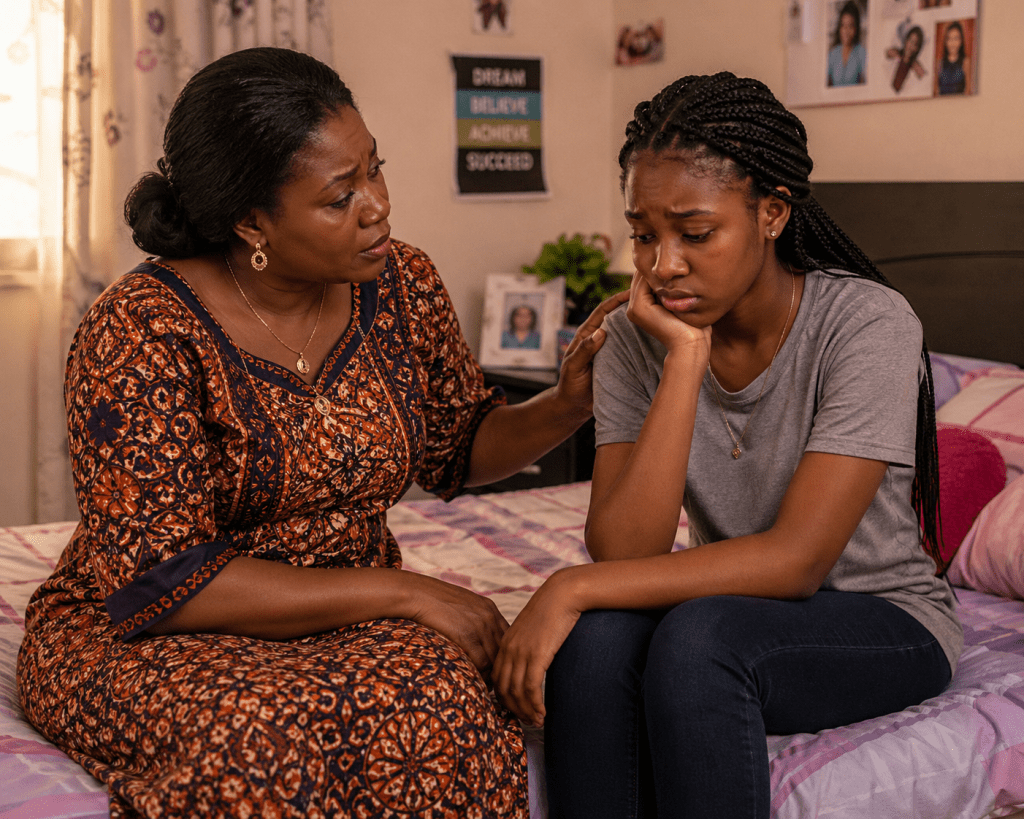
Who Is in Charge of your life? ❤️

How you respond to life and the way you choose to live often reveals what is truly in control of your existence. The astonishing thing about life is that its deepest lessons are often hidden in the ordinary events we encounter every single day. ❤️

When a child is born, he or she enters the world naked and without possessions—not even a name. Parents, who already exist in the world, provide clothing, identity, and beliefs to guide that child, even while they themselves may still be trying to understand life. ❤️
It is fascinating how we assume we know better simply because we arrived earlier. Yet, how certain are we that being here first truly means knowing more?

The irony of life appears when we spend years acquiring material possessions, only to eventually leave this world with nothing. Even before our eyes, life quietly reminds us that nothing we possess is truly ours forever. ❤️
Yet despite this clear message, many people continue to sacrifice their lives chasing things that may ultimately be irrelevant.

Some argue that because we exist, there must be a purpose and meaning to life. Others insist that life has no real meaning—after all, everyone will die someday—so why should love, charity, or care even matter? ❤️

To begin understanding life more deeply, we may need to separate our thoughts from the events themselves. Death, for instance, may not necessarily be the end of life. When we detach our interpretation of death—based on the roles, activities, or positions of the deceased—we may begin to see it instead as a transition into another level of existence. ❤️

The pain, grief, and emotions we feel are often shaped more by our interpretation of events than by the events themselves. Recognizing life as a continuum can encourage us to live in a way that leaves meaningful footprints—touching hearts, uplifting others, and making a positive mark on the soil of the earth before our own transition. ❤️

This reflection does not dismiss the deep pain of losing a loved one. Rather, it invites us to understand that the hurt, regrets, and emotions we experience are closely connected to the thoughts we attach to such events. ❤️

Consider this question for a moment: if you went to sleep and never woke up, would you even know that you had died? Think about that for a while.

My point is this: the energy that governs your life will determine the quality of your existence. It will also reveal how purposeful your life can become. ❤️

The lowest energy is sex.
Is casual sex or sexual fantasy the dominant focus of your thoughts? Is sexuality more important to you than character or personality? Those who master and properly channel their sexual energy often live lives worthy of admiration. Whatever controls you can easily become your god. ❤️

The second energy is food (gluttony).
Do you eat to live, or do you live to eat? ❤️

The third energy is power.
This reflects your position and influence in different areas of life. What do you represent? What kind of person are you becoming through the authority or responsibilities you hold? ❤️

The balancing force is love.
Love forms the foundation of true humanity. Without it, we risk descending into purely instinctive living. Animals can show love toward their kind, their owners, and other animals, yet they have no restraint over their instincts. Sadly, some humans live in much the same way today. ❤️

Beyond these are higher energies: expression, intuition, and wisdom—qualities that elevate human existence and guide us toward deeper purpose. ❤️

Therefore, it is important to ask yourself honestly: Who is truly in charge of your life?

To live a purposeful life, strive to cultivate love for yourself and for others. Learn to control the lower impulses of the self while consistently rising into your higher self. ❤️

Your existence was not an accident. You are an intentional creation—live up to that truth. ❤️

I remain your friend and brother,
Maazi Onuora Obodoechi

Get Involved: A Call to Responsibility and Patriotism ❤️

The constant allegations of election rigging and the endless complaints from many African youths have gradually resulted in low voter turnout. When we pause and reflect, it is astonishing to realize how young many of today’s global leaders were when they first assumed leadership. In several countries, presidents are in their late thirties or early forties. Yet, when I look at their counterparts in Nigeria, many of our youths seem uninterested in the affairs of governance. ❤️

Instead of becoming active participants, many prefer to support one older candidate or another from the sidelines. Even more troubling is that when a young, bright mind appears on the ballot, our cultural biases and collective naivety often push us to ignore them. Somehow, we have come to equate governance and sound ideology with old age. We find comfort in complaining and talking, while shifting our responsibilities to God and allowing weak leadership to prevail. ❤️

In earlier times, when men truly stood for something, thieves feared even the voice of a homeowner. Men found honor in defending their land. To die for one’s belief and conviction was seen as bravery and heroism. Men understood that the Ikoro calls a great man twice—once during his lifetime, and again when he lies in glory, ready to unite with his ancestors. A man’s tears were not simply a call for sympathy or therapy; they were a sign that something deeply wrong had befallen the community. ❤️

So the question remains: Where are our men today?
Africa ranks low on many global indices. Are conversations about women, money without power, and servitude the only things we are known for? ❤️

Today, bandits and terrorists attack villages and drive people out of their homes, and men gather mainly to cry and seek help from those who hold power. Chai!! Ya diba… ❤️

My friends, the more we refuse to involve ourselves in the affairs of our country or stand for something meaningful, the more we become like the ichoko—a creature that uses its own mouth to destroy its offspring and then blames nature for the outcome. The dilution of our culture and traditions, honestly, has not taken us anywhere meaningful. A man who does not stand for something obvious eventually stands for nothing. And it is a grave mistake to believe that friendship with a crocodile will stop it from eating when hunger comes. ❤️

The sad reality today is that titled men dance on social media while young men passionately debate relationships, even as their homes and economies burn. Everyone seems to be chasing money—what many now call stomach infrastructure. ❤️

My brothers,

The solution to our dilapidated hospitals, failing schools, and declining standard of living is not to sit back and watch events unfold. The solution is to get involved. ❤️

Since we cannot return completely to the old ways of doing things, the power we still hold lies in our voter’s card and in our willingness to defend our votes. At the same time, we must reconnect with our traditions and rediscover what it means to be men of courage and responsibility. In many ways, we have lost ourselves in this modern world. ❤️

It is painful that when global decisions are made, African men are rarely considered equals or partners. Instead, we are sometimes handed ceremonial titles—what we call “oke aha n’egbu nwa nkịta”: the kind of brave name given to a dog that sends it to attack a lion, only to meet its end. ❤️

The hard truth is this: if you did not vote, you indirectly helped vote a good candidate out. Losing hope will not rescue us from this situation. Remember, one person can make a difference—and that person could be you. ❤️

So, get involved my people. Agwọ dịkwa na akịrịka…
May the spirit of patriotism burn so strongly in your heart that it drives away cowardice and inspires you to join us in defeating this false majority.

Isee!! ❤️

I remain your friend and brother,
Maazi Onuora Obodoechi
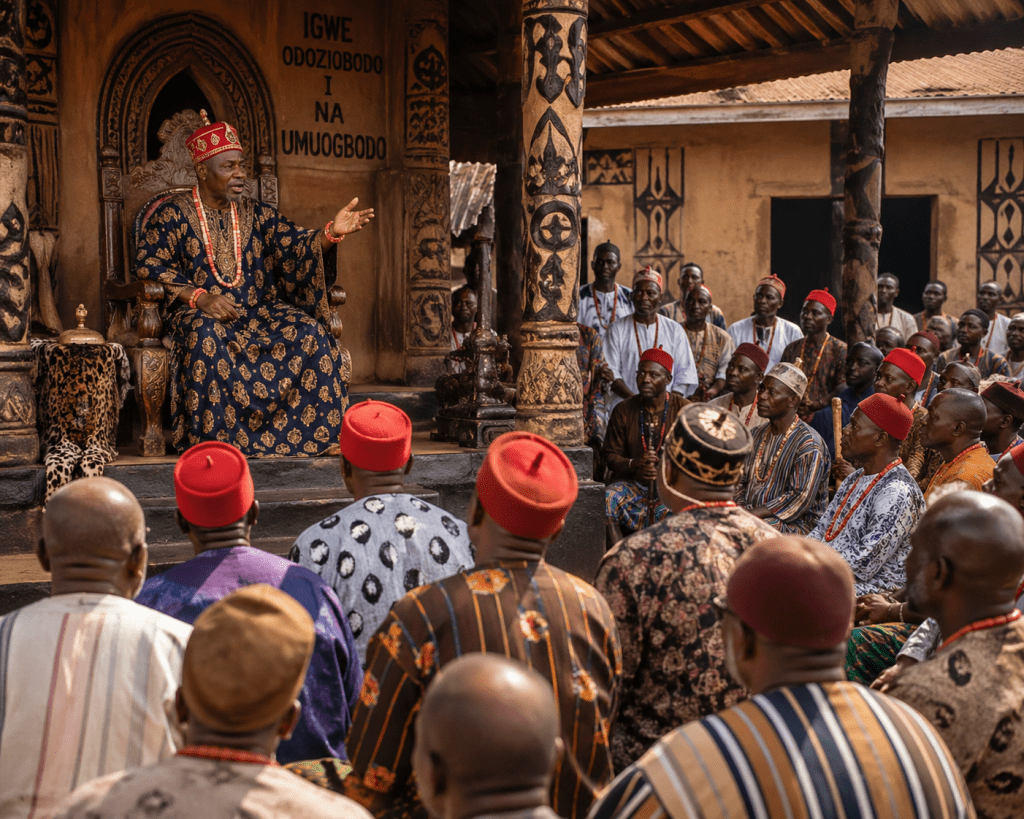
The Ancient Joy of Motherhood ❤️

I have often wondered why someone would choose to go through pain again and again, yet still wear a smile on their face. Motherhood has a way of answering that question in ways words can barely capture. ❤️

Today, I understand that there are many medical options for delivery—such as cesarean sections, forceps-assisted births, and other modern interventions. Yet when we look back to earlier times, when many of these options did not exist, countless women still experienced safe deliveries. Babies were sometimes born in the bush or even in the marketplace, under the skilled hands of traditional birth attendants. ❤️

In those days, cases of pregnancy-related deaths and complications seemed fewer. Conditions such as gestational diabetes, preeclampsia, or the risk of delivering macrosomic babies were not as common as they appear to be today.

This leads me to a question that is both reflective and challenging: Where did we go wrong?
How is it that we claim to be more advanced, yet in some ways the outcomes appear more troubling than in times we often describe as “primitive”? Today, the rate of complications and maternal deaths in many places is still high. In fact, some people are now afraid of pregnancy in parts of Africa, despite the many medical systems and parameters put in place. ❤️

Perhaps the real challenge, as I have often maintained, is that we are moving forward without intentionally and critically selecting what our fathers and mothers handed over to us. Progress should not mean abandoning wisdom.

Think of the ancestral mothers who delivered millions of babies without formal classroom education. Their knowledge came from attentive listening, careful observation, and years of practice. There was wisdom in those traditions that we should not simply discard. ❤️

What concerns me today is what I call selective forgetting—the tendency to abandon inherited wisdom while embracing every new development as automatically superior, without critical evaluation. Why are illnesses and maladaptive behaviors becoming so common? Why do we accept systems without asking deeper questions?

This reflection is simply a call to always evaluate what we do and to examine the interests behind what is being sold to us. Too often, systems that should prioritize human well-being become driven by money and control rather than by the joyful smile of a mother holding her newborn child. ❤️

As Micheal Okwesilieze highlighted in his book Ancestral Mind, “forgetting is not simply a personal failure but a civic risk.” This reminds us that retrieving ancient wisdom and skills may be a necessary step if we truly want to move forward in life.

Childbirth and pregnancy are only one example. Many other areas of human advancement have gradually become monetized, and society often follows along without questioning. The earlier we begin to ask questions and demand systems that truly serve humanity, the better it will be for everyone. ❤️

And as I always say, let the change begin with you and with whatever you do for a living.

Every meaningful transformation will begin with restoring the healthy values of family and community culture. ❤️

I remain your friend and brother,
Maazi Onuora Obodoechi

Is this your new site? Log in to activate admin features and dismiss this message
Log In