
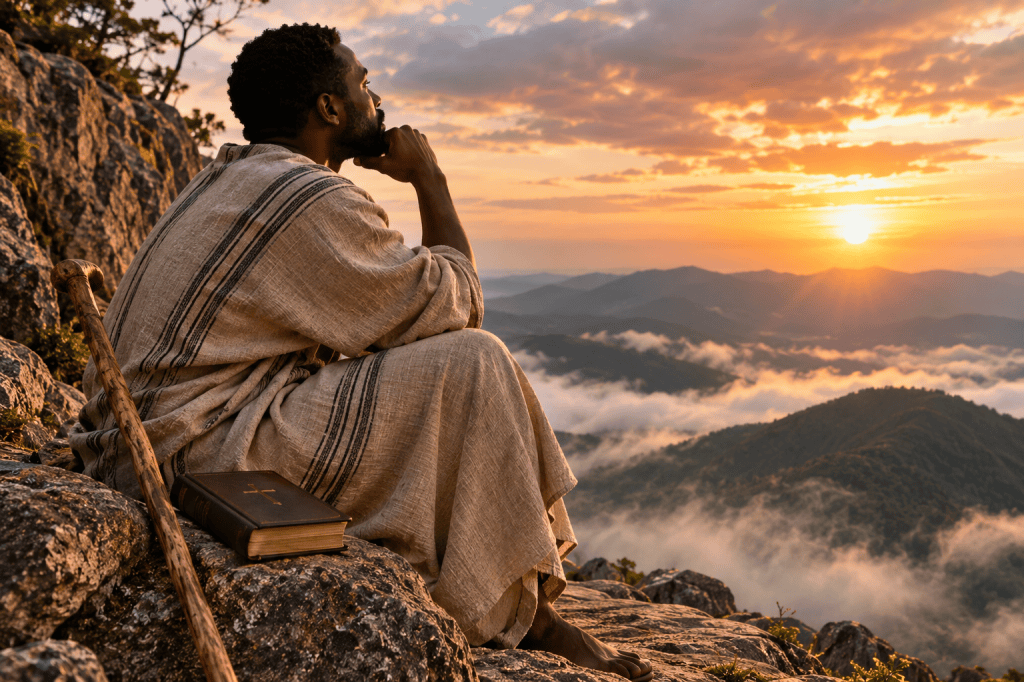
In the words of Myles Munroe, paraphrased, our mission is not simply to go to heaven but to bring heaven to earth.
In other words, rather than allowing religion to convince us that our primary responsibility is to prepare for eternity in heaven, we should pay attention to God’s instruction to increase and multiply. God also taught us to pray that His will be done on earth as it is in heaven.
It is therefore important to understand that religion is a system of beliefs and practices that claims to provide an orderly path to God. However, if we critically examine the conduct of many religious people, we may begin to notice a contradiction: they often fail to practise what they preach. If the Bible teaches that people are known by their fruits, then, looking at the state of the world today, can we honestly say that religious people are bearing the fruits they profess?
There is no doubt that liberal ideologies have, in many ways, influenced and infiltrated what are commonly described as religious beliefs. However, the central point I want us to consider in today’s reflection is this: the essence of our existence is not simply to make heaven, but to bring heaven to earth.
This can be achieved when we embrace and practise spirituality, which I understand as the process of uniting ourselves with our true selves, living in harmony with who we are, and extending that sense of wholeness to others.
What does this mean?
First, we must discover that much of what we need to succeed and fulfil our purpose is already within us. We must then make a conscious effort to discover our unique selves, appreciate who we are, and remain true to that identity, even as we interact and engage with others.
Another way to approach this is to focus on the substance of what we do rather than merely pursuing its outward symptoms.
For instance, attending church every day is a symptom; building a meaningful relationship with God is the substance. Therefore, rather than making church attendance an end in itself, we should focus on developing a genuine relationship with God by putting His teachings into practice, embracing our true selves, and creating value in the world around us.
Another example of confusing symptoms with substance is the pursuit of money without creating value. Money should be a reward for the value we create, not the sole purpose of our existence.
My friends, it is high time we sat down and reflected on our lives. What are we doing? Where have the morals and values we once took pride in gone?
Who sold us the idea of living simply to die? God’s purpose for humanity, as I understand it, is to occupy and cultivate the earth, yet religion sometimes seems to teach us to abandon it.
There is no doubt that we will all die one day. However, instead of spending each day praying and fasting solely in the hope that, when the rapture happens, we will be taken away, pick up your cutlass and start making the world a better place. Let your faith inspire you to work, build, create, nurture, and contribute meaningfully to the world around you.
There is dignity in labour. Let us return to the values that once held our communities together, that allowed children to enjoy their childhood and families to flourish.
My final thought and message to you, my friend, is this: resist the urge to chase the symptoms of whatever substance you hope to achieve. Instead, direct your attention towards the substance itself.
We are not here forever. But while you are here, make sure you live your life for its own sake and for the sake of others. At the soul level, we are one people. Do not allow yourself to become distracted from this truth.
Let us restore our homes, our families, and our communities. Let us once again become a priestly people, a holy people, and a people chosen by God. Do not leave this world without expressing the purpose, potential, and passion that God has placed within you.
Do not die with the fire inside you.
I remain your friend and brother,
Maazi Onuora Obodoechi.

