The shift toward comfort-driven validation is not healthy.
Over time, the yardstick for measuring love and beauty has moved from intangible values to fleeting physical qualities. While these physical traits may satisfy temporary desires, they often fail to meet our deeper, lasting needs. Recently, I listened to a podcast discussing the merits and risks of plastic surgery, particularly BBL procedures. Many of the reasons shared by guests centered on external pressure: what others said, how others reacted, and the fear of rejection. One woman shared that her partner left her and she lost her job after childbirth changed her body.
These stories highlight a painful truth: people are often judged, rejected, or even bullied because of changes in their appearance. Plastic surgery itself is not the core issue, many individuals who have suffered accidents regain confidence through corrective procedures. The deeper problem lies in how we treat one another and how much we allow external opinions to shape our self-worth.
While everyone has the right to make personal choices about their appearance, those decisions should be grounded in informed understanding and personal conviction, not merely a desire for acceptance.
So, I write to you, the one who feels “not enough” because you are not tall enough, slim enough, or “perfect” enough.
You are an intentional creation. There is no exact copy of you anywhere in the world. That alone makes you valuable. Self-love and self-acceptance are not optional, they are essential. People are different because their needs and desires are different. The right people will value you for who you truly are.
Many of these cosmetic procedures are not worth the risks people take just to please others, people who may still not accept them afterward. We must return to a time when character, attitude, skills, discipline, and values were the true measures of beauty.
Today, the more revealing an outfit is, the more attention it gets. Yet, those who design these trends often present themselves with dignity and modesty. Somewhere along the line, we were convinced that exposure equals value.
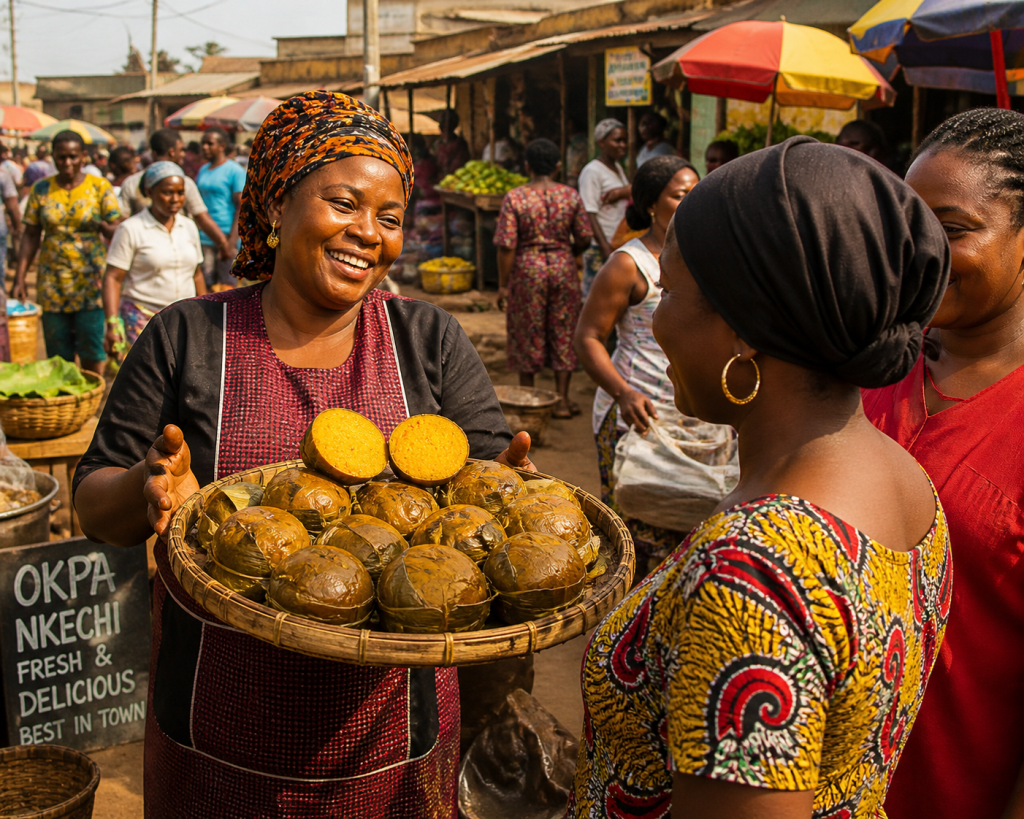
Let me share a simple illustration. In my hometown, we have a local food called okpa. When it is sold, one piece is cut open and displayed to show buyers what the others look like inside. Interestingly, that displayed piece is rarely chosen, it is valued only for what it reveals about the rest.
Some people live their lives like that displayed okpa, constantly revealing themselves for attention. They may attract interest, but when it comes to commitment, they are often overlooked for those who have quietly invested in their personal growth and values.
If you are overweight, it does not mean you are unworthy of love or acceptance. But it does mean you should prioritize your health. Self-acceptance is the foundation for self-improvement. When you accept yourself, you can begin to grow into your best version.
Always remember: you can control what you think, say, do, and accept, but you cannot control others. Conformity is not always healthy. Sometimes, you must take responsibility for your life by prioritizing your health, happiness, and purpose. Surround yourself with people who tell you the truth with the intention of helping you grow.
Your value does not lie in how appealing you are to others, but in how much you respect yourself. Understand why people are drawn to you, is it for your appearance or your substance? One is temporary; the other is lasting.
Do not make life-altering decisions because of insecurity or fear of what others might say. If you struggle with body image concerns, seek guidance and support. True confidence grows from within.
Whatever your insecurity may be, build value that strengthens you. If people mock your height, do not try to create illusions, develop skills, knowledge, and character that elevate your life in meaningful ways.
Life is too short to live under the weight of other people’s opinions. Take charge of your life. Happiness is a decision you make ahead of time. Focus on what truly matters, the intangible values that define who you are.
You are enough.
I remain your friend and brother,
Maazi Onuora Obodoechi.
 Pen it down.